Trail to Tram: Hong Kong's City-Hike Layering Is the Gorpcore Office Uniform Geeks Need

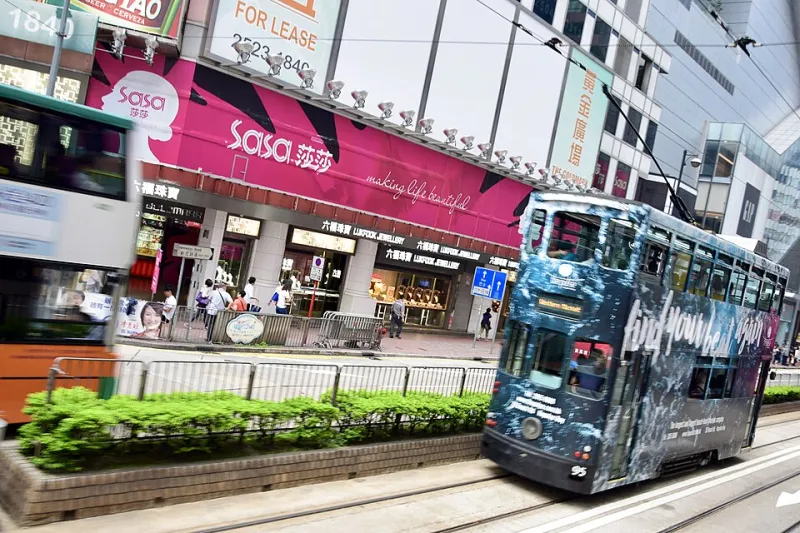
Photo: Alexkom000, CC BY 4.0, via Wikimedia Commons
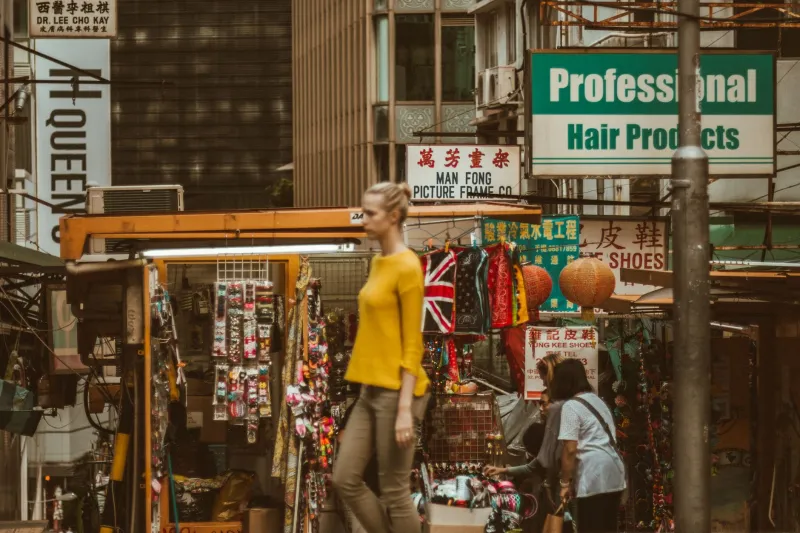
Hong Kong is a city where a serious hiking trail can sit twenty minutes from a dense commercial street. That changes how people dress. Gear has to work on the trail, on the tram, and at the desk without looking like you got lost on the way to a summit. In 2026, that city-hike mindset is the most useful thing American geeks can borrow from Hong Kong gorpcore. Not the wilderness cosplay. The practical version: trail sneakers, packable shells, slings, quick-dry bases, and a layering system that earns its place in a daily rotation.
The city-hike test
Before you buy anything, run it through the city-hike test. Can you wear it on a muddy path, on public transit, and in a casual office without feeling ridiculous? If the answer is no, leave it on the rack. That single question kills most bad gorpcore purchases. A giant 65-liter hiking pack fails. A pair of neon trail runners with a suit fails. A clean shell in a dark color passes. A sling that holds a phone, wallet, and notebook passes.
The other rule is quiet utility. Hong Kong city-hike style is not about looking like a gear catalog. It is about looking like you know what you are doing and have somewhere to be after.
Base layer: quick-dry, not cotton
Start with a quick-dry tee or a merino blend. Cotton holds sweat and stays damp, which is the opposite of what you want on a humid trail or a crowded commute. Look for a plain crewneck in black, gray, navy, or olive. A merino polo is the upgrade if you need to look slightly more put together. Uniqlo's AIRism line, REI's in-house basics, and Smartwool all make pieces that work under a jacket without looking like gym clothes.
Fit matters here. A base layer should sit close to the body but not squeeze. If it bunches under a shell, it will annoy you all day.
Midlayer: the packable fleece or lightweight hoodie
A grid fleece is the sweet spot. It breathes, packs small, and adds warmth without bulk. Patagonia's R1, The North Face's Summit Series, and cheaper options from Uniqlo and Decathlon all do the job. A lightweight hoodie works too, especially if it has a clean silhouette and no giant logo.
This is the layer you take off on the train and put back on at the office when the AC is too strong. It should look normal enough to wear at a desk and technical enough to handle a windy ridge.
Shell: packable, hooded, and not neon
A packable rain shell is the piece that makes the whole system work. It should have a hood, pit zips if possible, and a color that does not scream. Black, navy, olive, slate, or a deep red are all safe. Avoid the head-to-toe neon look unless you are actually doing alpine rescue.
Keep the shell in your bag during the week. That is the Hong Kong logic: the weather can turn, the office can be freezing, and the train can be packed. A shell that folds into its own pocket is worth more than a fashion jacket you are afraid to wear in the rain.
Bottoms: stretch nylon and zip pockets
Stretch nylon pants or joggers with zip pockets are the workhorse. They move, dry fast, and look close enough to chinos when the color is right. Dark olive, black, charcoal, and navy are the easiest. If you want a more office-friendly version, look for a tapered nylon trouser with a clean waistband and no cargo flap overload.
Avoid convertible pants with zip-off legs unless you are genuinely hiking in them. They are useful on the trail and almost never look good at a desk.
Footwear: trail sneakers that can pass
Trail sneakers are the anchor. Salomon, Hoka, Merrell, and Nike ACG all make models that look at home on a path and acceptable with chinos. Choose a subdued colorway: black, gray, olive, or tan. Clean them before wearing them to the office. A muddy trail shoe is a personality, not a commute shoe.
Socks matter more than people admit. A merino blend crew sock in gray or black keeps your feet dry and looks intentional. Skip the white gym sock unless you are going full retro.
Bags: sling first, pack second
A sling is the city-hike hero. It holds a phone, wallet, keys, a small notebook, and a shell. Wear it crossbody over a tee or under a shell. A 20-liter packable daypack is the second piece. It should have a laptop sleeve if you are going to the office and a simple top-loading shape if you are not.
Modularity is the geek appeal here. Pouches, carabiners, and small organizer bags let you move your kit from trail to desk without repacking your whole life. Keep the hardware metal and the colors quiet.
Styling formulas that actually work
Trail to desk: quick-dry tee, tapered nylon trouser, clean trail sneaker, packable shell in the bag. Add a merino beanie in winter.
Casual office: merino polo, grid fleece, dark shell, navy chinos, gray trail sneakers. The shell comes off at the desk.
Weekend errands: heavyweight quick-dry tee, jogger, sling, cap, trail sneaker. This is the easiest version and the one most people will actually wear.
US sourcing without the markdown
REI, Backcountry, and REI's used gear section are the obvious starting points. Uniqlo and Target cover the base layers and budget shells. eBay and Poshmark are good for older Patagonia and Arc'teryx pieces if you know your size. Search terms: packable rain shell, grid fleece hoodie, tapered nylon pant, trail running sneaker, crossbody sling bag. Buy one piece at a time and wear it on a real commute before you buy the next.
The mistakes to skip
Do not dress like you are summiting a mountain. No giant pack on the subway. No crampons at the coffee shop. No head-to-toe neon unless you are actually in the backcountry. Gorpcore works for geeks because it is a system, not a costume. Keep the colors calm, the layers packable, and the shoes clean. Then you can go from trail to tram to desk without changing your whole personality.