Treasure Mode Activated: How Hong Kong's Secondhand Geek Scene Makes Sustainable Shopping Actually Fun
Sustainable fashion discourse in the US has a branding problem. Somewhere along the way, "conscious consumption" got permanently associated with neutral linen, capsule wardrobes, and the kind of minimalism that feels more like a punishment than a philosophy. If you're a geek who wants a closet full of color, character, and deeply specific references? The mainstream sustainability conversation hasn't exactly been rolling out the welcome mat.
Hong Kong doesn't have that problem.
The Resale Culture That Refuses to Be Boring
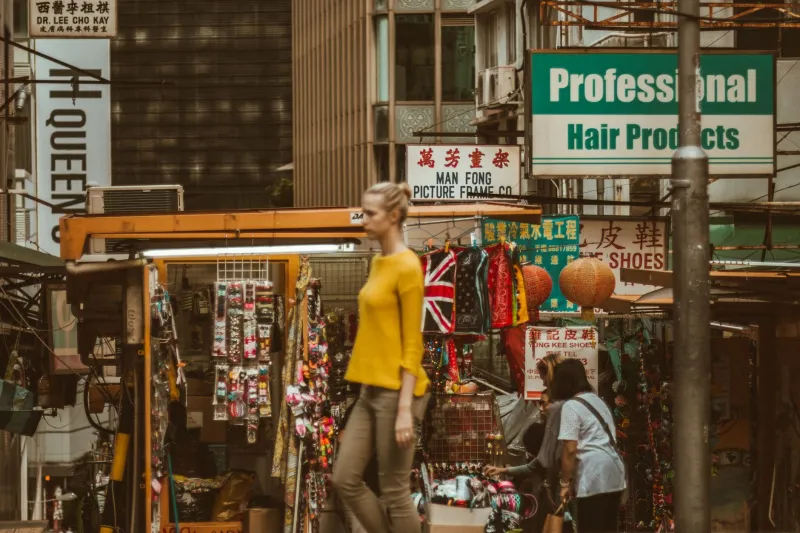
Walk through Mong Kok on a Saturday afternoon and you'll understand immediately. The city's secondhand ecosystem isn't built around guilty-conscience shopping or austere rack-flipping. It's built around the thrill of the find — the specific, almost irrational joy of locating a first-edition Evangelion figure still in box, or a Bathing Ape hoodie from a season that technically doesn't exist in most databases, or a limited-run gaming peripheral that sold out in fourteen minutes back in 2019.
This is resale as sport. And it's producing a generation of Hong Kong shoppers who have figured out something that most Western sustainability advocates are still trying to crack: secondhand is only boring if the original market was boring. When the source material is anime, streetwear, and gaming culture? The secondhand version is a treasure hunt.
How the Market Actually Works
Hong Kong's geek resale scene operates on two levels that feed each other constantly.
The physical layer is dense and hyperlocal. Basement stalls in Sham Shui Po. Dedicated sections in multi-story shopping centers where vendors specialize down to single franchises. Weekend pop-up markets where sellers and collectors mix in a way that blurs the line between commerce and community. Prices are negotiated, provenance is discussed, and condition grading is taken seriously in a way that would feel at home in any collector community worldwide.
The digital layer sits on top of that and extends it globally. Hong Kong-based resellers operate across Carousell, Facebook Marketplace, and a web of Telegram and Discord groups that function as real-time auction rooms for high-demand items. The speed and specificity of these channels is genuinely impressive — a rare piece can be listed, bid on, and sold before most US resale platforms have even indexed it.
What makes the Hong Kong system work is that both layers are treated as legitimate. There's no hierarchy that says physical shopping is more authentic than digital, or that collecting anime merch is less serious than collecting vintage denim. Everything gets the same curatorial respect.
The Sustainability Angle Nobody Talks About
Here's the thing that gets lost when Western media covers Hong Kong's consumer culture: the resale ecosystem isn't just economically efficient, it's environmentally significant. Every Gundam model that gets resold instead of landfilled, every limited streetwear piece that cycles through three owners instead of one, every gaming collectible that finds a new home instead of a storage unit — that's the circular economy working exactly as intended.
But Hong Kong didn't build this system to be sustainable. It built it because the culture genuinely values the objects. The sustainability is a byproduct of caring deeply about stuff, which turns out to be a much more durable motivation than guilt.
That's the lesson American geek communities are starting to absorb. When you buy secondhand because you actually want the thing — because it's a specific colorway of a specific figure from a specific arc of a series you love — you're not compromising. You're just buying smarter.
What US Geek Resale Gets Right (and What It's Still Missing)
The American geek resale market has genuine strengths. eBay's collector ecosystem is enormous. Whatnot has built a live-auction format that captures some of the energy of a physical market. StockX and GOAT have brought price transparency to sneaker and streetwear resale in ways that Hong Kong's more informal channels sometimes lack.
But the US market tends to silo. Sneaker resale lives in one corner. Anime merch lives in another. Gaming collectibles somewhere else entirely. The magic of Hong Kong's approach is that these categories bleed into each other constantly — a stall selling vintage Pokémon cards might be right next to one with Y2K streetwear, and the same person is often shopping both.
That cross-pollination creates unexpected combinations. A limited-run Sailor Moon tee paired with resale Jordan 1s and a vintage Game Boy Color hanging off a lanyard. That's not an outfit born from a single category — it's the product of a market that treats all geek objects as equally worthy of secondhand love.
Building a Secondhand Geek Closet, Hong Kong Style
If you want to bring this energy into your own shopping habits, a few principles from the Hong Kong playbook translate directly:
Specialize before you diversify. Know your franchises, your eras, your specific references. The more specific you are, the better you get at spotting value that generalist buyers miss.
Treat condition as part of the story. Hong Kong collectors are nuanced about condition — a piece with visible wear that's been loved is different from a piece with damage. That distinction matters for pricing, but also for how you feel about wearing it.
Think in outfits, not objects. The best Hong Kong resale shoppers aren't just collecting — they're curating. Every piece they add has a job to do in an actual look. Ask yourself the same question before you buy.
Mix your channels. Don't limit yourself to one platform. The piece you've been hunting might be sitting in a Discord server you haven't joined yet.
Sustainable doesn't have to mean subdued. Hong Kong's secondhand geek scene is proof that the most environmentally responsible version of your wardrobe can also be the most interesting one you've ever had.