One Closet, Many Characters: How Hong Kong's Capsule Wardrobe Logic Solves the Geek's Biggest Style Problem
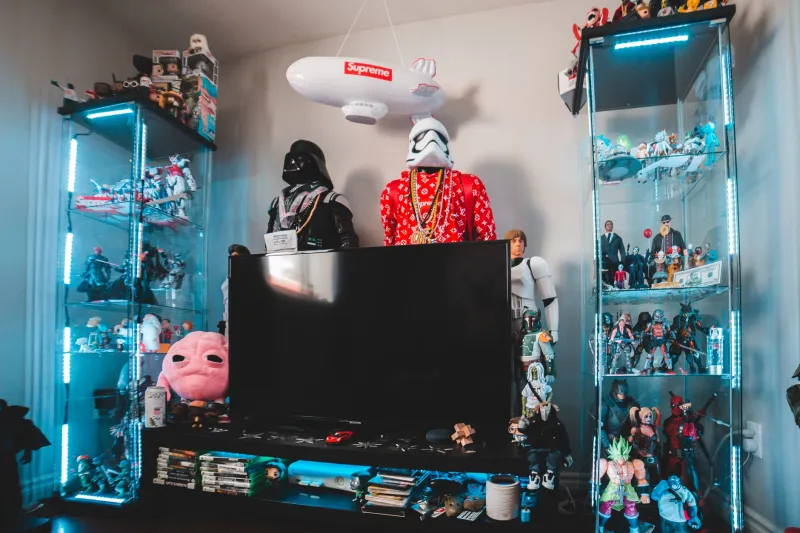
Let's be honest about something most geeks don't want to admit out loud: the closet situation is kind of a disaster.
There's the stack of graphic tees from three different fandoms that no longer spark joy. The convention hoodie that only makes sense in one very specific context. The cosplay-adjacent jacket you convinced yourself was streetwear-ready but has hung untouched since last October. Sound familiar? You're not alone, and the fix might actually be coming from a city roughly 8,900 miles away.
Hong Kong has one of the highest population densities on the planet. Apartments in Mong Kok or Sham Shui Po are famously compact — and that spatial reality has quietly produced one of the most sophisticated, under-discussed approaches to personal style anywhere in the world. When you literally cannot own thirty things that each do one job, you get very good, very fast at owning ten things that each do four jobs. That's the capsule wardrobe mentality, HK-style. And for geeks who shift aesthetic identities on a near-weekly basis, it might just be the most useful fashion philosophy out there.
Why Geeks Are the Hardest People to Dress (Including Themselves)
Geek culture is, by nature, a culture of phases. You go deep on a fandom, absorb the aesthetic, want to wear the vibe — and then six months later you're pivoting to something completely different. The problem is that most mainstream fashion advice is built for people with a stable, consistent identity. "Find your signature look." "Build around a neutral base." "Invest in classics."
That advice isn't wrong, exactly. It just doesn't account for someone who needs their wardrobe to flex between a Saturday morning at a tabletop gaming convention, a Sunday afternoon thrifting in Brooklyn, and a Monday back at the office where the dress code is "business casual but make it interesting."
Hong Kong's capsule approach doesn't ask you to pick one identity. It asks you to build a system.
The HK Framework: Layers, Not Labels
Walk through Causeway Bay or wander into the boutique clusters of PMQ on a Saturday, and you'll notice something about how Hong Kong street style actually operates. Outfits aren't built around a single statement piece that announces a tribe or affiliation. They're constructed in layers — a neutral, high-quality base that functions anywhere, combined with a rotating cast of expressive elements that can be swapped depending on the day, the context, the mood.
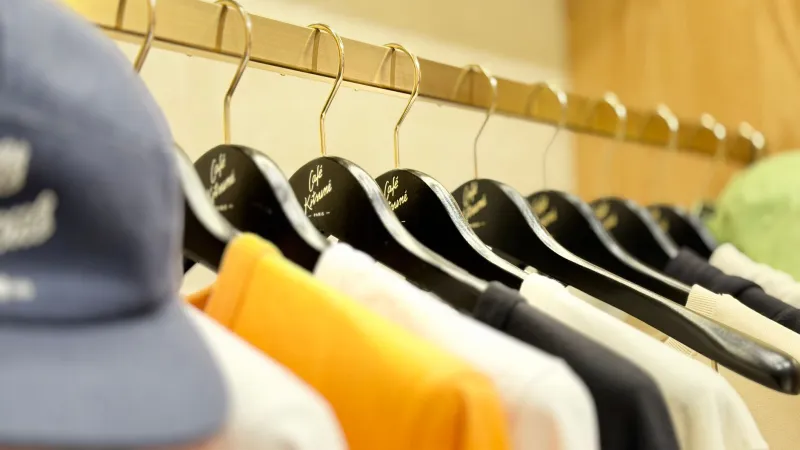
The base layer in this system does the heavy lifting. Think quality over quantity: a well-cut black tee, a versatile technical overshirt, trousers that read smart-casual from across a room. These pieces aren't boring — they're load-bearing. They make everything else possible.
On top of that foundation, Hong Kong style adds what we'd call signal pieces: the item that actually communicates something. An embroidered patch jacket. A cap with an obscure reference. A tote bag that immediately IDs you to the right people. In geek terms, this is where your fandom lives — but crucially, it lives in pieces that can be added or removed without dismantling the whole outfit.
This is fundamentally different from the American geek wardrobe instinct, which tends toward full-commitment dressing. All-in on the franchise tee, the themed hoodie, the matching accessories. It reads loud and clear, which is sometimes exactly the point — but it doesn't leave much room to move.
Building Your Multi-Fandom Capsule
So what does this actually look like in practice? Here's the HK-inspired approach broken down for a US geek wardrobe:
Start with five neutrals that genuinely work. Not just "fine" — actually good. A black crewneck that fits well. A white or off-white button-up that crosses contexts. One pair of dark jeans or slim trousers. A clean sneaker in a neutral colorway. A jacket or overshirt that reads as intentional rather than default. These are your chassis.
Build a rotating signal layer. This is where your geek identity lives, and the key is keeping it modular. Enamel pins that can move between jackets. A small collection of tees — maybe five, not fifteen — representing the fandoms that matter most to you right now, with the understanding that this collection will evolve. A statement accessory (bag, cap, patch jacket) that can be swapped based on where you're going and who you're going to be that day.
Think in outfits, not pieces. Hong Kong dressers in small apartments often organize by outfit possibility rather than by garment type. Before you buy anything new, ask: does this work with at least three things I already own? Does it add range or does it just add volume? Volume is the enemy of a functional geek capsule.
Give yourself permission to rotate. One of the quieter genius moves in Hong Kong's approach to limited-space dressing is the concept of seasonal or intentional rotation — packing away what's not currently in play, bringing forward what is. For geeks, this can mean organizing around active fandoms rather than trying to have everything accessible at once. Lean into what you're into right now. The rest can wait in a box under the bed.
The Convention Test
Here's a useful litmus test borrowed from the convention circuit, which is basically the ultimate stress test for any geek wardrobe: can your capsule get you through a three-day event without either repeating a look or packing a suitcase that weighs forty pounds?
Hong Kong travelers, accustomed to carry-on-only efficiency, would nail this. The modular signal layer approach means you can pack two or three base pieces and four or five expressive elements and create a genuinely different look each day. Convention day one: neutral base, franchise tee, enamel pin jacket. Day two: same jacket over a different tee, different accessories, completely different read. Day three: base pieces only, one strong accessory, suddenly you look like you planned it all along.
This is the flexibility that a bloated, single-identity wardrobe can't offer.
The Bigger Idea
There's something almost philosophical going on underneath all of this. Hong Kong's capsule approach isn't just about saving space or saving money — it's about recognizing that identity is fluid and that your clothes should be able to keep up with that fluidity without requiring a full wardrobe overhaul every time you discover a new obsession.
Geek culture already understands that you can hold multiple passions simultaneously, that you can be a Tolkien person and a mecha anime person and a D&D person all at once. The wardrobe just needs to catch up to that reality.
Fewer pieces. Better pieces. A system that bends without breaking. That's the HK way — and honestly, it might be the most geek-friendly fashion philosophy that nobody in the US is talking about yet.