Quiet Power: Why Hong Kong's Logo-Free Tech Accessories Are the New Geek Status Symbol
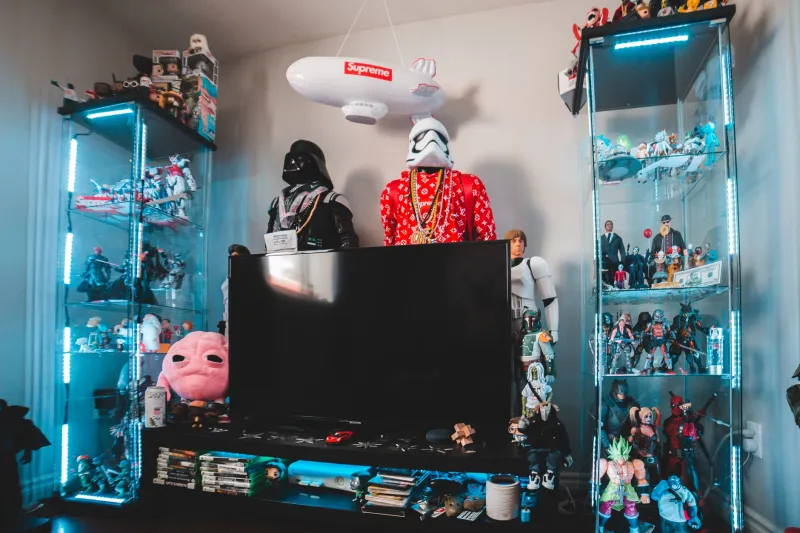
There's a guy at every tech meetup. You know the one. Head-to-toe branded gear, a laptop bag with three visible logos, a smartwatch that costs more than rent, and a phone case that might as well have a neon sign attached to it reading I spent money on this. For a long time, that was the default geek flex — loud, legible, expensive.
Hong Kong is over it.
Walk through Causeway Bay on a Tuesday afternoon, or scroll through the more niche corners of Hong Kong streetwear Instagram, and you'll notice something quietly radical happening with tech accessories. The power banks are matte and unbranded. The cable organizers are monochromatic and almost architectural. The phone straps look like they were designed by someone who studied Muji catalogs and Dieter Rams essays in equal measure. There's a deliberate absence of logos — and that absence is doing all the talking.
This is the silent flex. And it's making serious noise in American geek circles.
Why Hong Kong Got Bored of Branding First
Hong Kong has always had a complicated relationship with visible status symbols. On one hand, it's a city where luxury retail thrives and brand recognition carries real social weight. On the other, there's a long-running counter-current of people who find the whole performance exhausting — or worse, unsophisticated.
That tension has been especially sharp in the city's tech and geek communities. When everyone around you is deeply literate about hardware specs, material quality, and industrial design, slapping a big logo on something starts to feel like a shortcut. A substitute for actual knowledge. Geek culture in Hong Kong has always prized knowing your stuff over showing off your purchases, and that philosophy has started bleeding directly into how people accessorize.
The result is a wave of minimalist tech gear that prioritizes tactile quality, clean lines, and functional design over any kind of brand declaration. And because Hong Kong sits at the intersection of Japanese design sensibility, European modernism, and hyper-practical urban living, the stuff coming out of this scene is genuinely excellent.
The Pieces That Are Quietly Taking Over
Let's talk specifics, because the devil — and the flex — is absolutely in the details.
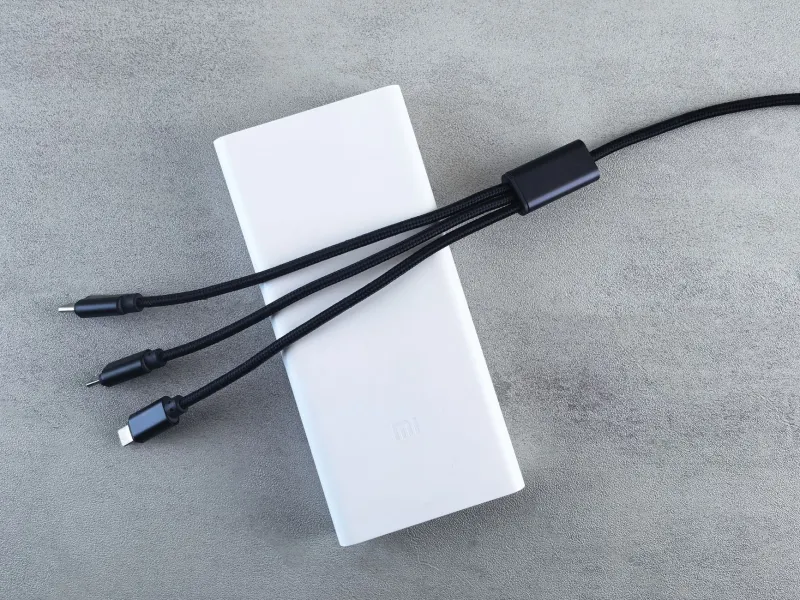
Power banks have become one of the most interesting battlegrounds. The old move was to carry something with a recognizable brand name, ideally in a color that popped. The new move is a slim, palm-sized block in matte graphite or warm sand, with zero visible branding beyond maybe a tiny embossed mark on the underside. The quality signal isn't the logo — it's the weight, the finish, the satisfying click of the port cover. American geeks who've caught onto this are specifically hunting down Japanese and Hong Kong-adjacent brands that don't advertise aggressively in the US market. Owning one is a quiet signal that you did your homework.
Phone straps are having a full moment, and the minimalist version of this trend is particularly compelling. While colorful beaded straps and character-themed lanyards have their own legitimate lane, the Hong Kong minimalist take leans into thin woven cords in neutral tones, or barely-visible clear silicone loops that attach so cleanly to a phone they look almost invisible. The whole point is that the phone strap doesn't announce itself — it just exists, elegantly solving a problem.
Cable organizers and carry pouches might be the most underrated category here. In a world where most people's tech bags look like a spaghetti incident, a perfectly organized flat pouch in a single color — everything in its place, no branding, no excess — is genuinely striking. Hong Kong's design community has leaned hard into this, producing small-batch organizers in materials like waxed canvas, Cordura, and vegetable-tanned leather that age beautifully and carry zero logo tax.
What This Means for American Geek Style
For US audiences, this trend lands at an interesting cultural moment. American geek fashion has spent the last decade figuring out how to be taken seriously — moving away from the ironic graphic tee and into more considered, intentional dressing. But a lot of that evolution still defaulted to visible brand signals as a shorthand for credibility. A certain sneaker. A specific laptop brand sticker arrangement. A recognizable bag.
The Hong Kong minimalist tech accessory wave offers a different path. Instead of broadcasting affiliation, it rewards attention. You don't notice the quality of someone's cable organizer from across the room — you notice it when you're close enough to actually look. That intimacy, that specificity, is the whole point. It's dressing for people who pay attention, not for the algorithm.
This also connects to something deeper in geek culture's relationship with authenticity. There's a growing fatigue with the idea that fandom or expertise needs to be announced through licensed merchandise or brand loyalty. Knowing what you know doesn't require a logo. Carrying gear that's genuinely well-made, thoughtfully designed, and quietly functional is its own form of credibility — arguably a more honest one.
How to Actually Build This Look
If you're ready to experiment with the silent flex, the entry point is easier than you'd think — and significantly cheaper than chasing designer names.
Start with your daily carry. Audit what you're actually using every day and identify where visible branding is doing work it doesn't need to do. Swap one piece at a time. A no-name but beautifully made cable pouch. A power bank that prioritizes build quality over marketing. A phone strap in a color that complements your wardrobe rather than competes with it.
Material matters more than anything else here. Matte finishes, quality zippers, consistent stitching — these are the signals that do the talking. If you're sourcing from smaller brands or import sites, look for things that feel considered. Functional, yes, but also like someone thought carefully about how it would age.
Resist the urge to over-explain. The whole ethos of this aesthetic is that it doesn't need a caption. You don't need to tell people your power bank is from a boutique Taiwanese manufacturer or that your cable pouch is made from Italian canvas. The people who notice will notice. That's the point.
The Flex That Doesn't Announce Itself
Hong Kong's minimalist tech accessory movement isn't about being anti-brand or performing some kind of ascetic cool. It's about understanding that quality and intention are more interesting than recognition. It's a flex, absolutely — just one that operates on a different frequency.
For American geeks who've been quietly feeling like the loud-logo approach never quite fit their actual values, this is worth paying attention to. The most interesting thing in the room doesn't always make the most noise. Sometimes it just sits there, perfectly designed, doing exactly what it's supposed to do — and letting you figure out the rest.