Built for the Weather, Made for the World: Hong Kong's Layering Logic Is the Outfit System Geeks Have Been Missing
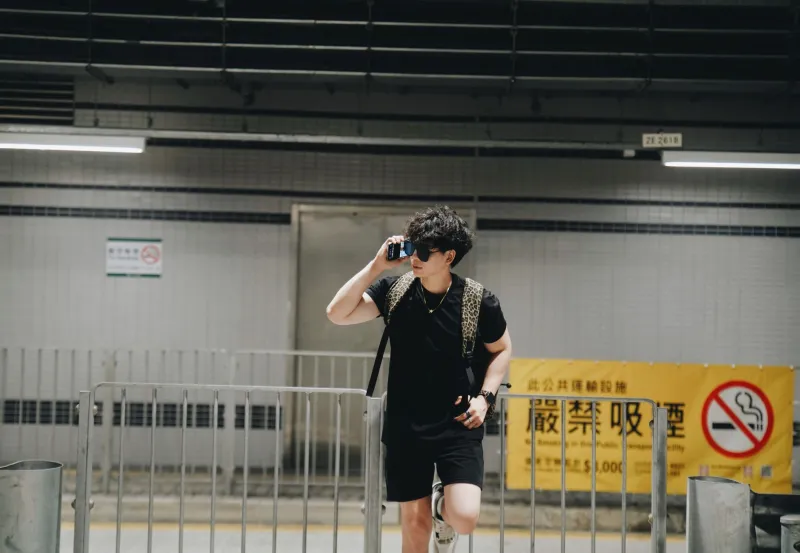
Let's be honest. Most American geeks approach layering the same way they approach a video game tutorial — they skip it. A tee, maybe a hoodie, done. And that works fine until you're melting at an outdoor convention in July, then shivering twenty minutes later in a venue that's running the AC like it owes someone money.
Hong Kong figured this out a long time ago. Not because the city is full of fashion-forward geniuses (though it kind of is), but because the weather literally leaves no other choice.
Why Hong Kong's Climate Is a Masterclass in Forced Innovation
Hong Kong sits in a subtropical zone that delivers some genuinely hostile conditions. Summers are brutally humid — we're talking 90-plus percent humidity on a regular Tuesday. Then typhoon season rolls in with sudden temperature drops and horizontal rain. Winter is mild but weirdly damp. And every single indoor space runs air conditioning at what feels like refrigerator settings, year-round.
The result? Hong Kong locals have developed what might be the most sophisticated casual layering culture on the planet. Not runway layering. Not "throw a blazer over a graphic tee" layering. We're talking functional, modular, packable outfit architecture — the kind that lets you move between five completely different environments in a single day without looking like you got dressed in the dark.
For geeks navigating the modern event circuit — outdoor markets, convention floors, office jobs, evening meetups, gaming cafes — that skill set is basically a superpower.
The Three-Zone Principle
Hong Kong street dressers think in zones, even if they don't call it that. There's the base layer, which handles moisture and comfort against the skin. There's the mid layer, which does the actual temperature regulation work. And there's the outer shell, which deals with the environment — wind, rain, or just the aesthetic statement you're making to the world.
What makes the Hong Kong version different from your standard outdoor-brand approach is the emphasis on weight and packability at every single level. Nothing is bulky. Nothing stays on when it doesn't need to. The outer shell might be a paper-thin windbreaker that compresses into its own pocket. The mid layer might be a barely-there quarter-zip in a technical knit that breathes better than most natural fibers. The base could be a fitted tee in moisture-wicking fabric that still looks intentional when the other layers come off.
The whole system is designed to adapt, not just to add warmth.
Reversibility Is the Cheat Code
One of the most underrated moves in Hong Kong street style is the reversible piece. Reversible bombers, two-tone windbreakers, inside-out fleeces — these aren't gimmicks. They're genuine outfit multipliers. You're essentially carrying two looks in one garment, and in a city where bag space is precious and closet space is even more so, that math hits different.
For American geeks, this translates directly. Think about the average con weekend: you want to look different each day, you're working with limited luggage, and you need pieces that can handle both the outdoor line queues and the aggressively cooled interior panels. A reversible bomber with a subtle graphic on one side and a clean colorblock on the other? That's Friday and Saturday sorted with one item.
The same logic applies to the daily work-to-evening commute that a lot of geeks navigate. The technical mid layer that reads "put together" in an office environment flips into something a little more expressive for the board game night after.
Technical Fabrics Are the Secret Ingredient
Hong Kong's approach to layering only works because of what the pieces are made of. And this is where the geek community has a genuine advantage — we already care about specs.
Lightweight ripstop nylons. Four-way stretch wovens. Merino blends that regulate temperature without trapping smell. These aren't exotic materials anymore; they're available at accessible price points from brands that Hong Kong street culture has been championing for years. The difference is that in Hong Kong, these technical qualities are treated as baseline requirements, not premium upgrades.
When you start shopping with that mindset — asking "how does this perform" before "how does this look" — your wardrobe stops being a collection of individual pieces and starts becoming an actual system.
Building Your Own Outfit Architecture
Here's how to start applying Hong Kong layering logic without overhauling your entire closet:
Start with your problem environments. If you're always too hot outside and too cold inside, that's your design brief. Build toward solving that specific problem first.
Audit for packability. Go through what you already own and identify which pieces can compress small enough to live in a bag. Those become your go-to outer layers. The stuff that can't compress? That's your base and mid layer territory.
Buy one reversible piece. Just one. See how it changes the way you think about getting dressed. Most people who try it never go back.
Think in transitions, not outfits. The goal isn't to plan a look for a single moment. It's to plan a look that survives — and adapts through — an entire day of different contexts.
Hong Kong didn't invent layering. But it refined it into something that actually functions under pressure, which is exactly the kind of fashion thinking the geek community has been waiting for someone to explain. The weather did the hard work. All you have to do is pay attention.