Two Worlds, One Wardrobe: How Hong Kong's Transformer Dressing Gives Geeks the Ultimate Double Life
There's a particular kind of exhaustion that comes with living two lives in one day. You spend eight hours in a button-down projecting competence at a standing desk, then scramble to a Magic: The Gathering tournament or a convention side event looking like you never left the office. The vibe is wrong. The energy is off. And somewhere between the subway and the venue, you feel like a fraud in both worlds.
Hong Kong professionals have been quietly solving this problem for decades, and the solution isn't a gym bag stuffed with a change of clothes. It's the wardrobe itself — built from the ground up to transform on command.
The City That Never Has Time to Go Home
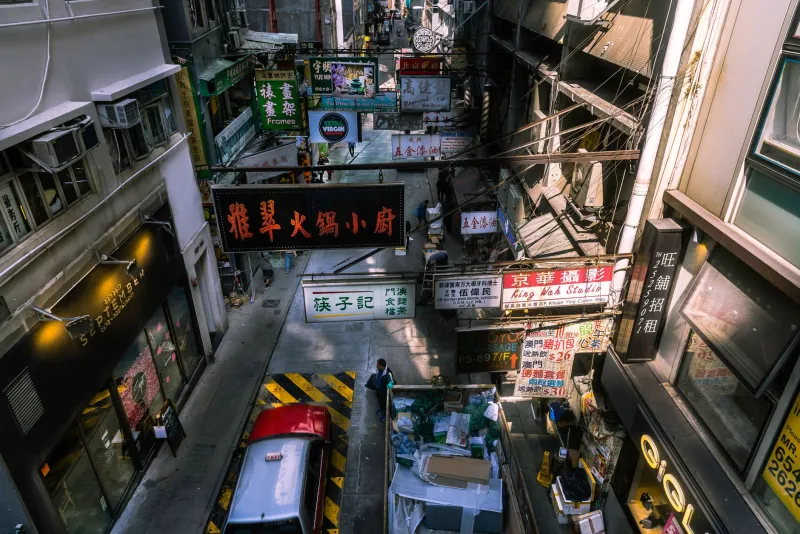
Hong Kong moves fast. The commutes are real, the workdays are long, and the social calendar doesn't pause for wardrobe changes. When you're squeezing a karaoke session, a tabletop game night, or a pop-up sneaker release between a 6 p.m. client call and the last MTR train, logistics matter. The city's fashion culture evolved around this reality. You don't dress for one version of your day — you dress for all of them simultaneously, with the ability to reveal or conceal different layers depending on the room you're walking into.
This isn't just a practical workaround. It's become a genuine design philosophy, and American geeks navigating the gap between professional life and fandom culture are perfectly positioned to steal every trick.
The Technical Foundation: Garments That Do More Than One Thing
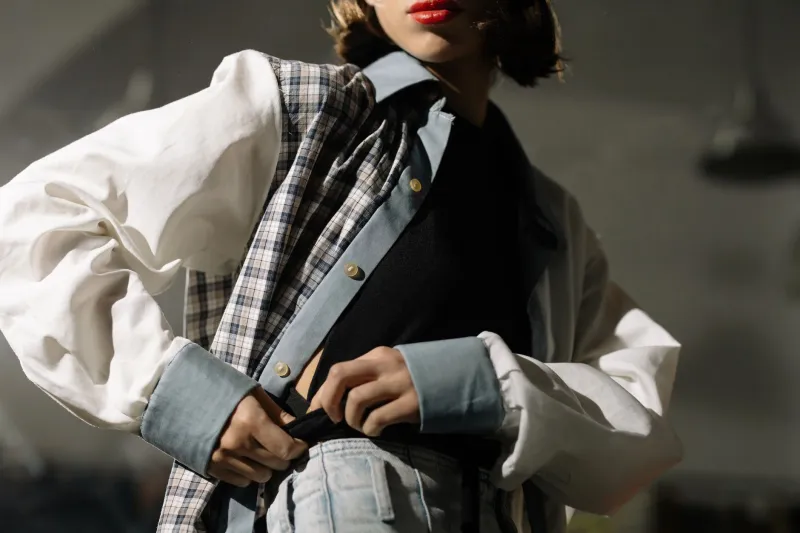
The backbone of Hong Kong's transformer wardrobe is what local stylists sometimes call "convertible construction" — pieces engineered with hidden functionality baked into the seams. Think structured blazers with concealed magnetic closures that let the lapels fold back and reconfigure the silhouette entirely. Think trousers with a slim corporate taper that open into a relaxed street cut via a hidden snap at the ankle. Think dress shirts with interior contrast panels — invisible under a jacket but vivid when the jacket comes off.
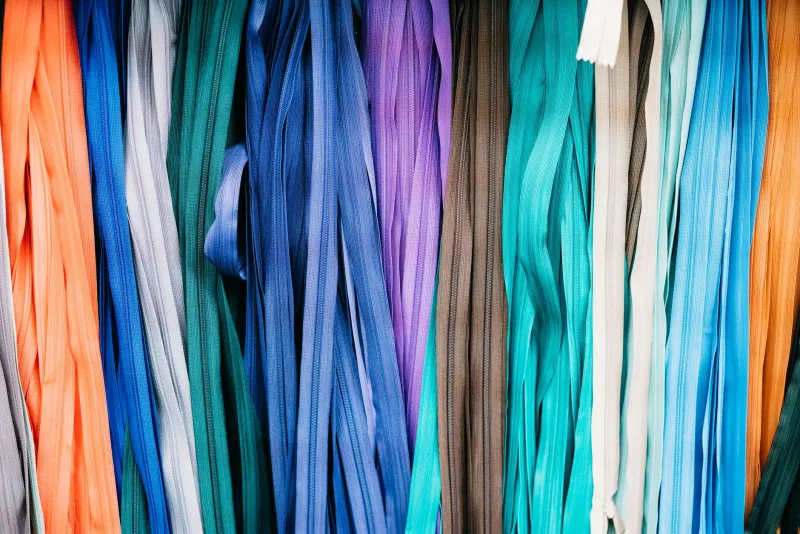
A lot of this hardware-level thinking comes from Hong Kong's proximity to Shenzhen's manufacturing ecosystem. Local designers have access to technical fabrics and closures that most American brands haven't bothered to mainstream yet. Hidden YKK zippers along collar seams. Detachable sleeves on overshirts. Reversible bomber jackets where one side reads business casual and the other side is a full graphic print that would feel at home at a cosplay event.
For American geeks, the equivalent entry point is already out there — you just have to shop with this logic in mind. Brands like Outlier, Uniqlo's technical lines, and a handful of Japanese workwear labels already build pieces with this dual-use DNA. The Hong Kong move is to combine them intentionally rather than accidentally.
The Layering Psychology: What You Show and When
Beyond the physical garments, there's a mental framework at work here that's worth unpacking. Hong Kong's transformer dressers think in terms of a "reveal sequence" — a deliberate choreography of what gets added, removed, or swapped as the day shifts registers.
In the morning, the outfit reads clean. Neutral base layer, structured mid-layer, professional outer. Nothing that would raise an eyebrow in a conference room. But embedded in that stack are the hints of the other identity: a graphic tee tucked under the blazer, a pair of sneakers that are technically smart-casual but carry enough design credibility to hold their own at a sneaker event, a watch or accessory that signals fluency in a subculture to anyone paying attention.
As the day transitions, layers come off in sequence. The blazer gets folded into a bag. The shirt gets untucked. The graphic tee, which was invisible at 10 a.m., becomes the statement piece by 8 p.m. The same person, the same clothes, two completely different reads.
This is the "code-switching closet" in action — and it's genuinely sophisticated. It's not about hiding who you are at work or performing someone else at a convention. It's about understanding that context shapes perception, and building a wardrobe that gives you control over that perception without requiring you to fragment your identity across multiple outfit systems.
Color Strategy: The Hidden Pop
One of the most immediately copyable elements of this approach is how Hong Kong street dressers use color. The outer layers tend toward a muted, professional palette — charcoal, navy, stone, olive. These are colors that read as deliberate and composed in any professional American context. But underneath, or in the lining, or on the interior of a collar, there's often a flash of something unexpected. A cobalt blue. A deep burgundy. An anime-character-print lining on an otherwise plain bomber.
This isn't accidental. It's a form of sartorial shorthand. The hidden color pop is a signal — to other people who know what to look for, and to yourself. It's a reminder that the suit is a tool, not a cage. And when the day shifts and the outer layers come off, that color does real work, anchoring the whole outfit in a different energy without requiring a complete rebuild.
Building Your Own Transformer Stack
If you want to start applying this logic to your own closet, the entry point is simpler than it sounds. Start with one piece — a blazer with an interesting lining, a reversible jacket, or a structured shirt that sits differently tucked versus untucked. Wear it through a full day that spans both worlds and pay attention to how the transitions feel. What needed to change? What held up across both contexts?
From there, you start to develop a personal reveal sequence. Maybe your version is a plain merino crewneck over a limited-edition collab tee, worn with chinos that are slim enough for the office and relaxed enough for a gaming lounge floor. Maybe it's a technical overshirt that reads workwear until you unzip the sleeves and it becomes a vest layered over a hoodie with a convention logo.
The specifics are yours to figure out. The logic is Hong Kong's — and it's been road-tested on one of the most demanding urban schedules in the world.
Why This Matters for American Geeks Specifically
There's a particular pressure on geeks in American professional culture to keep their interests compartmentalized. The convention lanyard goes in the desk drawer. The graphic tee stays home on Mondays. The assumption — often internalized before it's even tested — is that the two identities are incompatible, and the wardrobe has to reflect that separation.
Hong Kong's transformer dressing philosophy rejects that premise entirely. It says your clothes can hold multiple truths at once. That a well-built outfit can walk into a boardroom and a tournament venue and belong in both. That the work of code-switching doesn't have to mean erasing one version of yourself to access another.
For a community that has spent years being told to leave the fandom at the door, that's not just a style tip. It's a different way of thinking about who you get to be — and when.