No Rules, All Fit: How Hong Kong's Fluid Menswear Scene Is Handing Geeks the Wardrobe They Actually Want
There's a specific kind of frustration that a lot of geeks know intimately. You know exactly how you want to look. You have a clear aesthetic in your head — oversized silhouettes, technical details, interesting proportions, maybe some anime-adjacent color choices. And then you walk into a US retail store and spend forty-five minutes in the wrong section before leaving with nothing, because the clothes that match your vision are cut for a body type or a gender expression that isn't yours.
Hong Kong has been quietly solving this problem for years. Not through activism or marketing campaigns, but through the far more powerful force of just... making clothes that work for people.
The History That Made This Possible
Hong Kong's menswear culture has always had a complicated relationship with Western masculinity norms. The city sits at a cultural crossroads — British colonial history, Chinese aesthetic traditions, Japanese fashion influence, and its own homegrown street culture all pulling in different directions simultaneously. The result, over decades, is a menswear scene that never fully committed to the rigid gender-coded rules that American retail has historically enforced.
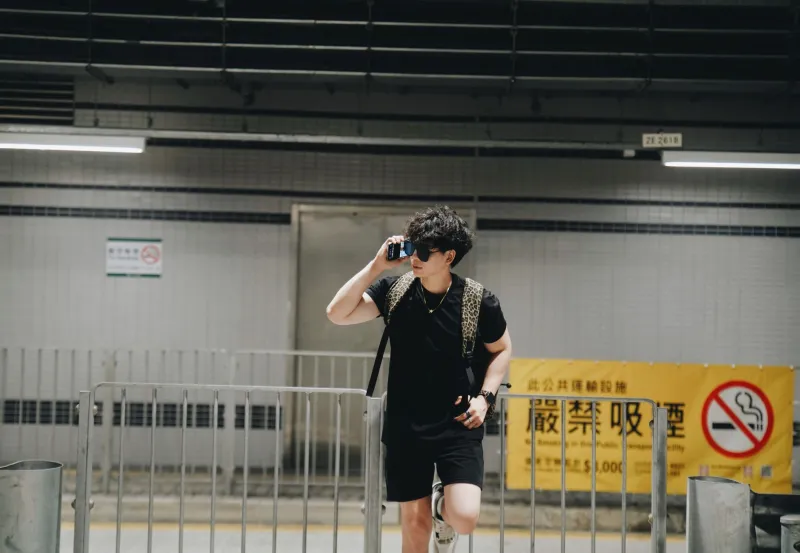
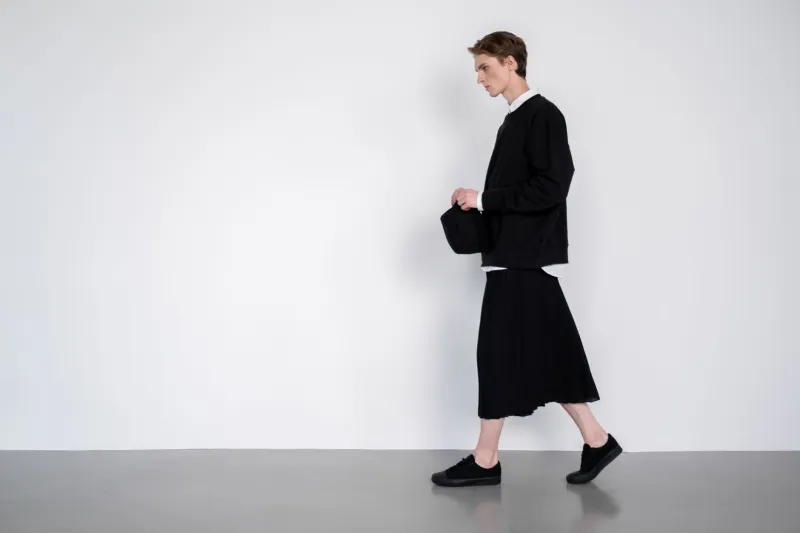
In Hong Kong, it's been normal for a long time to see men in slim, tailored silhouettes that American retailers would have shelved in a women's section. Flowy wide-leg trousers. Cropped outerwear. Soft knits in pastel ranges. These pieces weren't considered subversive — they were just clothes, cut well, worn by people who knew what they liked.
That cultural baseline created space for something genuinely interesting: a menswear market that evolved toward function and fit rather than toward the performance of a particular kind of masculinity. And as that market matured, it started producing pieces that work for basically anyone who wants to wear them.
What "Unisex" Actually Means Here
The word "unisex" in American retail often means "we made it boxy and called it a day." In Hong Kong street culture, unisex means something more precise: it means the garment was designed with silhouette and proportion as the primary variables, not gender as the organizing principle.
That distinction matters. A well-designed oversized shirt from a Hong Kong label isn't just a men's shirt that someone decided women could also wear. It's a shirt where the drape, the sleeve length, the shoulder seam placement, and the hem length were all calibrated to create a specific visual effect that works across a range of bodies. The intention is different, and the result is different.
For geeks — who often have very specific ideas about how they want to exist in their clothes, and who have historically been underserved by a market that assumes everyone wants to look like a lifestyle catalog — that intention-first approach is a revelation.
The Silhouettes That Are Actually Crossing Over
A few specific shapes from Hong Kong's gender-fluid menswear moment are finding their way into US geek wardrobes right now, and it's worth knowing what to look for.
The oversized technical shirt. Not a flannel, not a button-down in the traditional sense — a shirt in a performance fabric (ripstop, nylon, moisture-wicking blends) cut with extra width through the body and an intentionally long hem. Worn open over a fitted base layer, it reads as outerwear. Buttoned up, it's a statement piece. In Hong Kong, this is a staple across gender lines.
Wide-leg technical trousers. The cargo pant's more sophisticated sibling. These have the pocket utility without the aggressive tactical aesthetic, and they're cut with a fluid drape that works with sneakers, loafers, or chunky boots equally well. Hong Kong labels have been producing these in interesting colorways and technical fabrics for seasons now.
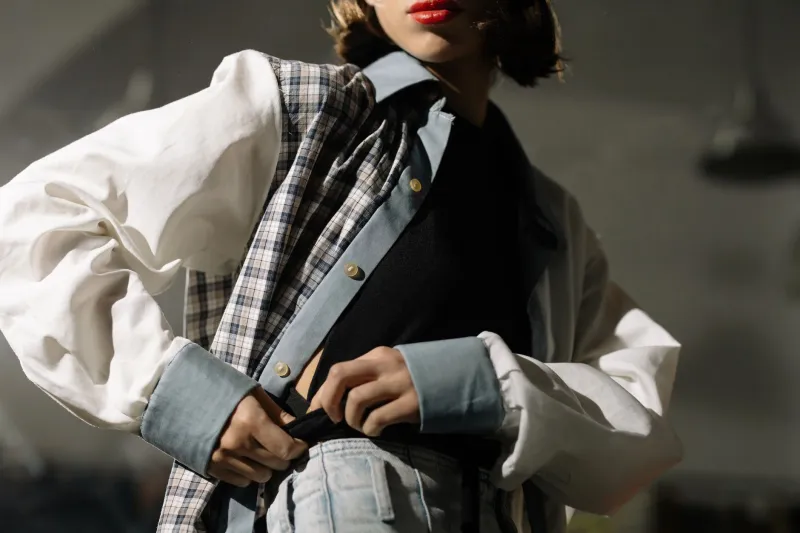
The cropped outer layer. Cropped bombers, cropped coach jackets, cropped fleece pullovers. Hong Kong's menswear scene normalized the cropped silhouette for anyone who wanted it, and the effect — especially layered over a longer mid layer — creates exactly the kind of visual proportion play that geek-adjacent fashion has been chasing.
Why Geeks Are the Natural Audience for This
Here's something that doesn't get said enough: geek culture has always had a complicated, sometimes fraught relationship with gender expression. The communities — gaming, anime, comics, tabletop — have historically attracted people who exist outside mainstream social scripts in a lot of ways, including how they want to dress. The clothes they wanted often didn't exist in the sections they were "supposed" to shop in.
Hong Kong's fluid menswear moment is producing exactly the kind of clothes that geeks have been mentally designing for themselves for years. Technical. Interesting. Proportionally adventurous. Not trying to signal a particular kind of social identity beyond "person who cares about how things fit and feel."
That's not a coincidence. It's what happens when a fashion culture optimizes for the wearer instead of for a demographic category.
How to Start Shopping This Way
If you're ready to apply some of this thinking to your own wardrobe, a few practical starting points:
Stop filtering by section. If you're shopping online, search by silhouette and fabric rather than by the gender category the retailer assigned. Hong Kong-based retailers on platforms like Taobao, YesStyle, and a growing number of direct-to-consumer labels ship internationally and organize their inventory in ways that make this easier.
Measure, don't assume. Hong Kong sizing conventions differ from US ones, and in a market where "oversized" is an intentional design choice rather than just a cut that runs big, knowing your actual measurements makes shopping infinitely more accurate.
Treat fit as the only metric that matters. Not "does this look like something a person like me would wear" — just "does this do what I want it to do on my actual body." That's the Hong Kong approach. It's also the geek approach, if you think about it: evaluate the specs, not the marketing.
The clothes you've been picturing exist. Hong Kong's been making them for a while. It's just taken the rest of the world a minute to catch up.