Glitch City Style: The Hong Kong Design Wave Bringing Y2K Cyberpunk to Your Wardrobe

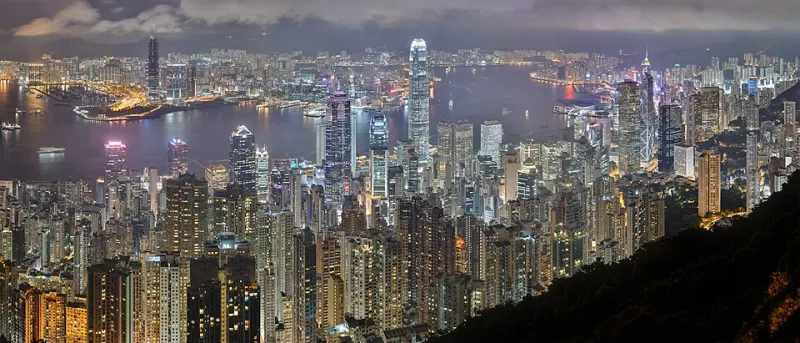
Photo: Hong Kong neon lights cyberpunk fashion street style night city, via ecoglobalexpeditions.com
There's a version of Y2K fashion revival happening in American retail right now that feels, honestly, a little safe. Low-rise jeans, butterfly clips, velour tracksuits — it's nostalgia dressed up as trend, and it's everywhere from Zara to the fast-fashion section of your TikTok feed. It's fine. It's familiar. It's also not particularly interesting.
And then there's what's coming out of Hong Kong.
HK's independent design scene has been working with Y2K references too — but the output looks completely different. We're talking about pieces that feel genuinely futuristic rather than just retro, that pull from cyberpunk visual culture as much as from early-2000s pop aesthetics, and that carry the specific energy of a city that has always looked more like the year 2099 than most places on earth. If you've been feeling like Western Y2K revival is missing something, this might be the version you've been waiting for.
Why Hong Kong's Y2K Hits Different
Context matters here. When Western designers reach for Y2K references, they're typically pulling from a cultural memory shaped by mall culture, pop music videos, and early internet aesthetics — Lizzie McGuire, frosted tips, the original iPod color palette. It's warm, it's suburban, it's deeply American in the best and most specific way.
Hong Kong's relationship with that same era looks completely different. In 2000, HK was already living in a cityscape that Western sci-fi had been using as a visual shorthand for dystopian futures for decades. Blade Runner borrowed from it. Ghost in the Shell built entire visual systems around it. The neon-drenched, vertically stacked, perpetually illuminated urban environment wasn't a backdrop for HK designers — it was just outside the window.
So when Hong Kong creatives tap into Y2K nostalgia, the reference points are denser and more layered. There's the global pop culture of that era, yes, but there's also the specific visual texture of Kowloon at night, the iridescent glow of wet pavement under fluorescent signage, the particular way technology and human density create something that looks genuinely otherworldly. That's the source material — and it produces a wildly different kind of fashion output.
Breaking Down the Aesthetic
So what does HK cyberpunk-Y2K actually look like on a garment? A few consistent elements keep showing up across the independent designers working in this space.
Color palettes that feel electric. Forget the muted pastels of Western Y2K revival. HK designers are working with colors that feel like they're generating their own light — acid green, electric violet, the specific shade of blue that shows up on old CRT monitors. These aren't soft or wearable-neutral; they're confrontational in the best way.
Iridescent and reflective fabrications. Holographic vinyl, iridescent nylon, mesh layered over metallic bases — materials that change appearance depending on how light hits them. This is a direct visual reference to the way Hong Kong streets themselves shift under different lighting conditions, and it translates into pieces that photograph like nothing else.
Utilitarian silhouettes with futuristic detailing. Cargo construction, technical outerwear shapes, and structured shouldering show up constantly, but they're executed with details that push them past function into something more conceptual. Asymmetric zip placement, paneling that suggests circuitry, strapping that references both tactical gear and early-2000s mall-goth aesthetics.
Typography and graphic elements pulled from tech culture. Error messages, loading screens, pixelated fonts, and UI/UX design language from early software interfaces — these show up as print elements and embroidered details in ways that feel genuinely clever rather than just referential.
The Designers Worth Knowing
The HK indie design scene operates largely through Instagram, pop-up events, and a handful of concept stores concentrated in areas like Kwun Tong and Kennedy Town. Labels like those showing at the city's emerging designer showcases have been quietly building international followings, with US buyers making up a growing share of their customer base.
Several designers working in this aesthetic have started offering international shipping through their own websites after years of operating primarily through local channels. The demand from American buyers — particularly those in cities like LA, New York, and Chicago with strong streetwear communities — has made the logistics worth figuring out.
"American customers want something that doesn't look like it came from a trend report," one Hong Kong-based designer noted in a recent interview with a local fashion publication. "They want the piece to have a specific origin, a specific visual logic. That's exactly what this aesthetic has."
Your Shopping Guide for US Buyers
Getting your hands on HK cyberpunk-Y2K pieces from the US requires a little more effort than a standard online retail browse — but not as much as you might think.
Instagram is your primary discovery tool. Following hashtags like #HKfashion, #HongKongdesigner, and #hkstreetfashion will surface both established labels and emerging designers. DMs are often the fastest way to inquire about international shipping for pieces you see posted.
YesStyle and Stylewe carry some HK-adjacent designers and ship directly to US addresses, though the selection for truly independent labels is limited. They're a good starting point for getting a feel for the aesthetic before going deeper.
Carousell — think of it as a Southeast Asian Depop — has a robust Hong Kong seller community and ships internationally. It's where a lot of limited-run pieces end up after initial drops, and prices are often more accessible than resale platforms like Grailed.
Pop-up events and trade shows are increasingly bringing HK designers stateside. Keeping an eye on streetwear and fashion event announcements in major US cities will occasionally surface HK-focused showcases where you can see and buy pieces in person.
Budget-wise, independent HK designer pieces in this aesthetic typically run between $60 and $350, with outerwear and more complex constructed pieces at the higher end. Given the limited production runs and the fact that you're unlikely to see these pieces on anyone else at a party in Des Moines — or even Brooklyn — the cost-per-compliment math works out pretty well.
The Bigger Picture
What makes HK's Y2K cyberpunk wave genuinely interesting isn't just the aesthetic — it's the cultural authenticity underneath it. These designers aren't cosplaying a version of the future they saw in a movie. They grew up in a city that the movies were trying to imitate. That difference comes through in every design decision, and it's exactly why the pieces feel so different from anything currently happening in Western fashion.
American style has always been good at absorbing and amplifying influences from elsewhere. The HK cyberpunk-Y2K wave is exactly the kind of specific, well-developed aesthetic that tends to go very mainstream very fast once the right people start wearing it. Get into it now, while it still feels like a discovery.