Kowloon Cool: The Hong Kong Streetwear Labels Quietly Taking Over American Closets
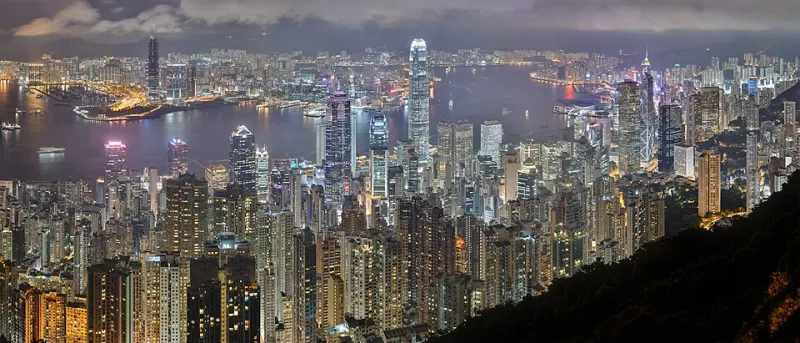
Photo: Base64, retouched by CarolSpears, CC BY-SA 3.0, via Wikimedia Commons
There's a specific kind of energy that lives in the streets of Mong Kok at midnight. Neon signs bleed color onto wet pavement, stalls overflow with custom pieces you won't find anywhere else, and kids in fits that somehow blend utilitarian workwear with anime-graphic hoodies weave through the crowds like they're walking a runway nobody else can see. That energy — chaotic, layered, unapologetically its own thing — is exactly what's landing in American shopping carts right now, and US streetwear heads are eating it up.
Hong Kong's fashion underground has been cooking for years. But somewhere between the pandemic-era obsession with global niche culture and the broader Western appetite for alternatives to the Supreme-and-Nike industrial complex, HK streetwear cracked open a door in the American market. Now it's kicking it off the hinges.
What Makes HK Street Style Actually Different
Ask any American sneakerhead what they associate with Asian streetwear and they'll probably name-drop Japanese brands or Korean minimalism. Hong Kong gets overlooked — which, honestly, has worked in its favor. The city's fashion identity is genuinely its own hybrid beast. You've got British colonial tailoring DNA mixing with Cantonese working-class pragmatism, layered over decades of Japanese street culture influence and a youth scene that grew up consuming both Hollywood blockbusters and Taiwanese idol dramas simultaneously.
The result is clothing that feels dense with reference without being costume-y. A bomber jacket from a HK label might carry embroidery inspired by mahjong tile iconography alongside a cut borrowed from 1990s Japanese workwear. A graphic tee might riff on Cantonese slang in a font treatment that hits different if you know the language — and reads as sharp abstract design if you don't. That layered legibility is a huge part of the appeal for US consumers who are bored with ironic nostalgia and want something with actual cultural texture.
The Brands Making Moves Stateside
A handful of labels are doing the heavy lifting on American visibility right now.
Chow Gang Supply Co. built its reputation on exactly the kind of dual-language graphic work described above. Their drops are small — rarely more than 150 units — and they sell out within hours through their website and a rotating list of US stockists that includes a few well-known boutiques in LA's Fairfax district and New York's Lower East Side. The brand's creative director, who goes by the handle @lokiwongmade online, told us the US response genuinely surprised him: "We designed for Hong Kong kids first. We didn't localize anything for export. I think that's exactly why Americans respond — they can tell it's not been watered down for them."
Typhoon Season takes a more technical approach. Their outerwear line leans heavily into functionality — pieces designed for Hong Kong's brutal humid summers and unpredictable storm season — but with silhouettes that read as futuristic without being costume-adjacent. Their mesh-paneled utility vests have become a quiet staple among the techwear community on Reddit and TikTok's #outfitcheck ecosystem.
Then there's Basement 852, named after Hong Kong's international dialing code, which operates almost entirely through social media drops and has cultivated a US waitlist that reportedly runs into the thousands. Their aesthetic is rawer — screen-printed distressed pieces, upcycled vintage Hong Kong workwear, hand-stamped accessories — and their storytelling on Instagram leans hard into the city's history and its current complicated identity. That authenticity resonates with American consumers who've grown skeptical of brands performing culture they don't actually live.
The Limited Drop Economy and Why It Works
One thing all these brands share is a commitment to scarcity that feels genuine rather than manufactured. This isn't Supreme-style hype-machine scarcity. These are genuinely small operations running tight production out of necessity, and that constraint has become a selling point. American buyers who've been burned by oversaturation — the moment a brand blows up on TikTok and suddenly every Target has a knockoff — have developed a real appetite for labels where owning a piece actually means something.
The drop model also maps cleanly onto how American sneaker culture already operates. The timed release, the waitlist, the secondary market premium — HK brands didn't invent these mechanics, but they're deploying them with a freshness that feels less cynical than what US hype culture often produces. When Typhoon Season dropped their reversible storm jacket last spring, it resold for nearly three times retail within 48 hours. That kind of organic heat is hard to fake.
Underground Culture as a Feature, Not a Bug
What's interesting is how little these brands are chasing mainstream American validation. None of them are gunning for a Nordstrom partnership or a celebrity co-sign as their primary growth strategy. The community building happens in Discord servers, in comment sections on niche fashion forums, at pop-ups in cities with significant Hong Kong diaspora populations — New York, San Francisco, Vancouver spillover — and through word of mouth that travels faster than any paid campaign.
That underground posture is itself a cultural export. American streetwear has spent years fetishizing authenticity while industrializing it into meaninglessness. HK brands are arriving with the real thing — actual subculture, actual community, actual geographic and historical specificity — and American consumers who know the difference are responding accordingly.
What Comes Next
The honest question is whether this moment can sustain itself without the brands losing the qualities that make them compelling. Scaling kills a lot of what makes small streetwear operations special, and the pressure to grow — especially once US revenue starts flowing — is real.
For now, though, the tension between HK street culture's deeply local roots and its growing international resonance is producing some of the most genuinely interesting fashion coming out of Asia. American closets are better for it. And if you haven't started paying attention to what's coming out of Kowloon, Sham Shui Po, and the back alleys of Causeway Bay, now's the time to catch up before the rest of the country does.
Keep an eye on our brand directory for updated US stockist info on all the labels mentioned above — we'll be tracking their stateside moves all season.