Insert Coin, Add Drip: How Hong Kong's Arcade Revival Is Rewiring Retro Geek Style
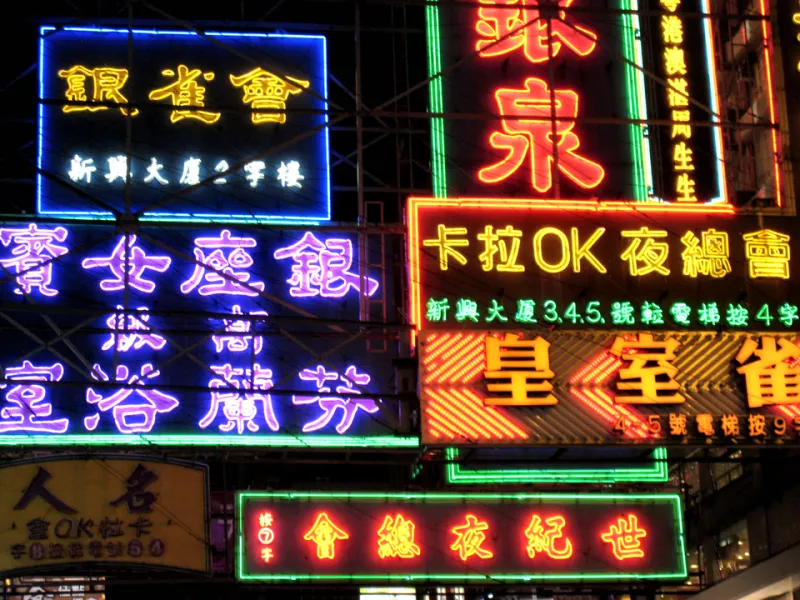
Photo: Mark Pegrum, CC BY 2.0, via Wikimedia Commons
There's a particular kind of magic that lives inside a Hong Kong arcade at 10 PM on a Tuesday. The air smells like industrial AC and instant noodles. Cabinets flash in competing neon colors. Someone's absolutely destroying a rhythm game in the corner while a group of teenagers documents the whole thing on their phones. It's chaotic, it's loud, and honestly? It's one of the most stylish subcultures on the planet right now — and US streetwear is finally starting to notice.
While American gamers have largely moved on to home consoles and PC setups, Hong Kong never fully abandoned its arcade culture. Places like the legendary Game Zone locations scattered across Mong Kok and the retro-focused spots tucked into the upper floors of Sham Shui Po's electronics buildings have maintained a devoted following for decades. But something shifted in the last few years. A younger generation didn't just keep the arcades alive — they turned them into a full-on aesthetic movement.
Pixels as a Design Language
The visual vocabulary of classic arcade games — chunky 8-bit sprites, saturated color blocking, glowing scan lines, and those slightly-too-bright CRT monitor palettes — has become something of a design shorthand for Hong Kong's younger creative community. Local graphic designers and apparel makers started pulling directly from game UI elements, treating health bars, score counters, and character select screens as legitimate inspiration sources rather than pure nostalgia bait.
Edison Lam, a Kowloon-based streetwear photographer who's spent the last three years documenting the city's arcade subculture, puts it plainly: "The kids who hang out in these arcades aren't dressing ironically. They genuinely love this stuff, and it shows in how they put outfits together. It's not a costume — it's a whole color theory."
What does that color theory actually look like in practice? Think electric teal paired with hot magenta. Oversized graphic tees featuring pixel art that looks pulled straight from a mid-90s fighting game. Chunky platform sneakers in colorways that would feel at home on a Street Fighter character select screen. Windbreakers with geometric blocking that echoes the tile patterns of classic game backgrounds.
The Vintage Merch Factor
One of the most interesting threads running through this whole movement is the role of original vintage gaming merchandise. Hong Kong's secondhand markets — particularly the stalls around Apliu Street in Sham Shui Po — are packed with original gaming tees, promotional jackets, and branded accessories from Japanese arcade game publishers going back to the late 80s and early 90s. These aren't reproductions. They're the real thing, and they've become genuinely coveted pieces.
Stylist and vintage dealer Chloe Yip, who runs a small stall and an even more popular Instagram account, has watched prices on this stuff climb steadily. "Three years ago I could find an original Capcom promotional tee for a few hundred HKD. Now people are paying serious money for those same pieces. American buyers especially — they're reaching out through DMs constantly." She estimates that a significant chunk of her sales now go to customers in the US, particularly in cities with strong gaming communities like Seattle, Austin, and the Bay Area.
This isn't just vintage tourism, though. The demand is feeding a parallel market in Hong Kong-made reproductions and original designs that consciously reference that era. Small labels are printing on heavyweight cotton blanks, using discharge printing techniques to get that slightly faded, well-worn look that signals authentic vintage without requiring the actual vintage price tag.
How US Wardrobes Are Absorbing the Signal
For American Gen Z and millennial shoppers, the appeal of this aesthetic makes a lot of sense when you break it down. It hits multiple nostalgia frequencies at once — the general 90s revival that's been running through fashion for the past several years, plus a more specific gaming nostalgia that resonates with anyone who grew up in the era of arcades, early home consoles, and the first wave of gaming culture going mainstream.
But the Hong Kong angle adds something that pure domestic nostalgia doesn't quite deliver: a sense of discovery. Finding a tee from a Hong Kong-based designer that references a Japanese arcade game through a distinctly Cantonese visual lens feels genuinely fresh in a way that another US-made retro gaming drop doesn't. There's cultural layering happening that makes the piece feel more interesting to wear and talk about.
Styling-wise, the US adoption has been pretty intuitive for people already operating in streetwear spaces. The arcade aesthetic plays well with a lot of existing wardrobe staples — baggy denim, technical outerwear, chunky sneakers. The trick, according to Lam, is committing to the color. "American streetwear tends to go very monochrome, very muted. The Hong Kong arcade look is the opposite. You have to be willing to wear that neon green. If you tone it down too much, you lose the whole point."
Practical Starting Points
If you want to start pulling this aesthetic into your own rotation, here's where to actually begin:
Lead with one statement graphic piece. A vintage or vintage-style arcade game tee is the easiest entry point. Look for designs that feature actual pixel art characters rather than just logos — the visual specificity is what makes it land.
Build around it with neutral technical pieces. Cargo pants in olive or black, a simple track jacket, clean white or black sneakers. Let the graphic do the heavy lifting.
Add one color-blocked accent. A bag, a beanie, or a pair of socks in a saturated color pulled from the graphic on your tee. This is the detail that signals you actually understand the aesthetic rather than just happened to own a gaming shirt.
Don't sleep on accessories. Enamel pins, keychains, and woven patches featuring pixel art characters are everywhere in Hong Kong's arcade districts and increasingly available through small Etsy sellers and independent online shops. They're inexpensive, they're specific, and they communicate a lot about your reference points.
The Bigger Picture
What's genuinely exciting about this moment is that it represents something more than a trend cycle. Hong Kong's arcade culture survived decades of pressure — the rise of home gaming, the death of the mall arcade in the West, economic pressures on urban retail space. The fact that it not only persisted but evolved into a living aesthetic movement says something real about how deeply embedded it is in the city's cultural DNA.
For US fashion geeks, that resilience is part of the appeal. This isn't a manufactured retro moment cooked up in a trend forecasting report. It's an organic subculture that happened to be sitting at the intersection of nostalgia, visual creativity, and genuine community — and it's been there the whole time, waiting for the rest of the world to catch up.