The Five-Dollar Fix: Why Hong Kong Geeks Never Wear Anything Off the Rack
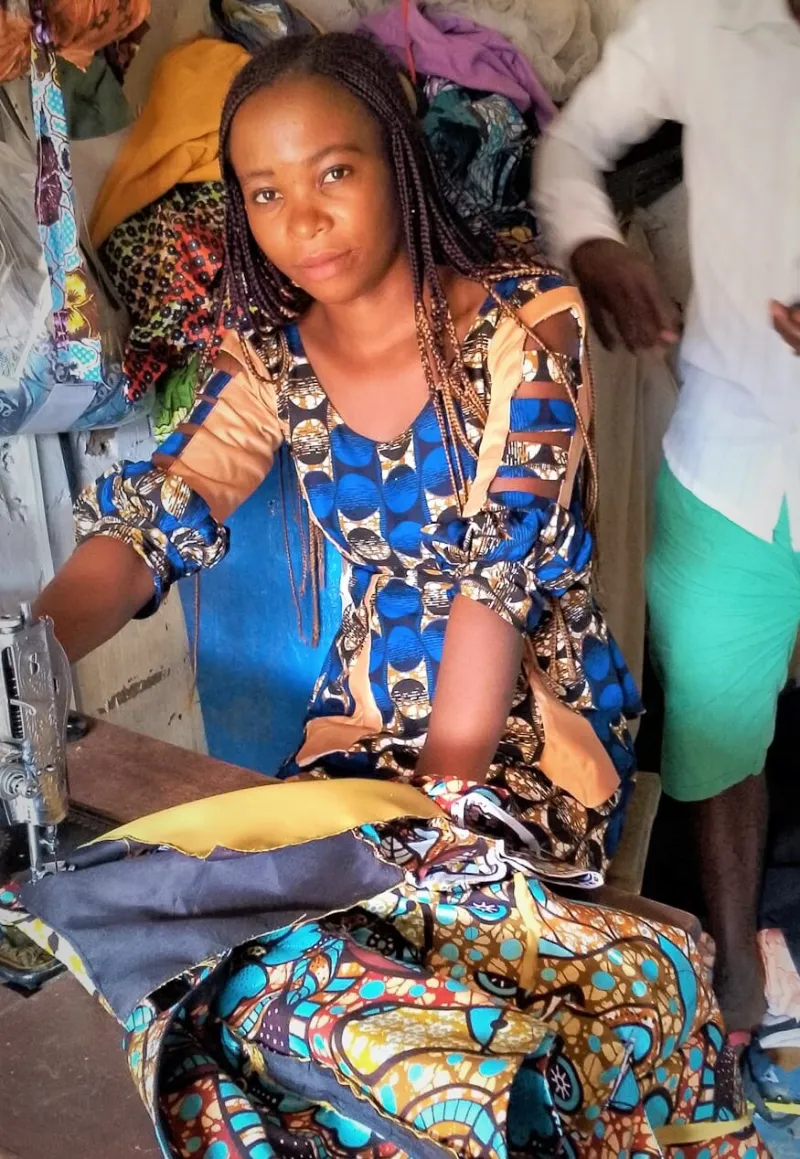
Photo: EdwinAlden.1995, CC BY-SA 4.0, via Wikimedia Commons
You know the drill. The tee shows up, you try it on, and the shoulder seam lands somewhere near your elbow. The sleeves run to your knuckles. The hem stops mid-thigh. Most guys shrug, half-tuck it, and call the look oversized.
In Hong Kong, that shirt would be considered unfinished.
Walk through Sham Shui Po or the upper levels of a Mong Kok arcade and you'll pass storefronts the size of a closet: one sewing machine, a rack of finished garments, and a woman with chalk and pinking shears who has been hemming trousers since before you were born. Bring in a tee, a thrifted chore coat, a pair of wide chinos — she'll pin it on you in ninety seconds flat and have it ready after lunch.
That's the whole trick. The clothes aren't better. The fit is.
The Shop Doesn't Care What the Tag Says
There's no mystique around alterations in Hong Kong. Nobody treats it as a luxury service or a special occasion. It belongs to the same mental category as a watch battery swap or a copied key — a small, cheap errand that keeps your stuff working.
That casualness matters. It means people alter things they would never think to alter in the US. A twenty-dollar graphic tee. A Uniqlo flannel. A souvenir jacket that was almost right. If a garment has one annoying detail, it goes to the shop instead of to the back of the closet.
American shoppers tend to treat tailoring as the last step of a suit purchase. Hong Kong treats it as routine maintenance on basically everything.
The Five Adjustments That Pay Off Most
Not every alteration is worth doing. Here's the hierarchy, roughly in order of payoff per dollar.
The hem. Taking two inches off the body of a tee changes the entire silhouette. A boxy shirt that stops just below the waistband reads intentional; one that stops at the hip reads borrowed.
The side taper. Taking in a centimeter or two from armpit to hem narrows a boxy shirt without making it tight. This single adjustment rescues more cheap tees than anything else on this list.
The sleeve. Shortening a long sleeve to just past the wrist bone, or tapering a wide sleeve toward the cuff, cleans up the line of the arm.
The waist. On a jacket or overshirt, suppressing the sides gives shape without adding darts.
The shoulder. The one that separates real from fake. If the shoulder seam sits past your actual shoulder by more than half an inch, the garment is the wrong size and no hem will save it. Buy for the shoulder and chest, tailor everything below.
Why It Costs Almost Nothing There
Volume, speed, and zero ceremony. Alteration stalls in Hong Kong run on cash, walk-ins, and same-day turnaround because demand is constant and overhead is a stool. A basic hem often costs roughly what you'd pay for a coffee and a sandwich.
You will not get those prices in the US, and it's worth being honest about that. Expect meaningfully more for the same work at a neighborhood dry cleaner or tailor. The logic still holds: a modest alteration fee can rescue something you already own, and the cost-per-wear math usually beats buying a replacement that fits only marginally better.
How to Brief a Tailor Without Going Wrong
The failure mode in the US isn't price. It's communication. Here's a briefing routine that gets you what you actually want.
- Wear the shoes and layers you'll wear with the garment. Hem length depends on both.
- Pin it yourself first. Safety-pin the hem and taper where you think you want them, try it on, check a mirror, adjust. Arrive with pins in place and the conversation gets dramatically shorter.
- Bring numbers, not vibes. Take in an inch at the hem, half an inch at each side seam — that beats asking for something more fitted.
- Ask for seam allowance. Say you want the cut fabric left inside so it can be let back out later. Good shops do this by default; ask anyway.
- Change one thing at a time if you're nervous. Hem first, live with it a week, then decide about the taper.
- Photos help. A screenshot of the fit you're chasing does more than three minutes of description.
What Not to Bother With
Cheap tees with stingy seam allowances. Anything with a complicated lining. Garments where the shoulder is fundamentally wrong. And anything you aren't sure you'll keep — alterations are not a return policy.
The Actual Lesson
None of this is really about cheap labor or exotic access to skilled hands. It's about a shift in where you spend attention. Buy for the parts that cannot be changed — shoulder, chest, overall body length — and treat everything else as adjustable.
Once you start thinking that way, the closet gets quieter. Fewer panic purchases, fewer things that almost work. You stop hunting for the perfect off-the-rack fit and start building one.
That habit travels well, even when the price tag doesn't.